In Italy, land sealed by asphalt and concrete has exceeded 21,000 km², around 7% of the national territory, against a European average of 4.4% — and according to ISPRA estimates, land consumption proceeds at a rate of roughly two and a half square metres per second. The consequences are familiar to anyone working on the ground: flooding during heavy rainfall, summer heat islands, and an economic cost estimated at 8 to 10 billion euros a year.
An increasing number of administrations and designers are turning to a response that is not only about building new drainage infrastructure, but about removing asphalt where it serves no purpose — courtyards, disused car parks, underused squares — to restore permeable soil. The practice, known as depaving, originated in Portland in 2008 and has since spread across Europe: municipal campaigns in the Netherlands, schoolyard interventions in Brussels and Paris, and early projects in Italy (Genoa, Padua). The topic is also highly current in relation to the PNRR-funded “Città Metropolitana Spugna” project, which in the Milan area involves over 2,000 trees and 32,000 shrubs across 32 municipalities.
For those who design and supply plants for these interventions — landscape architects, green space maintenance firms, garden centres and retail chains supplying public or private sites — the topic translates into concrete technical requirements, not an environmental narrative.
What Changes From an Agronomic Standpoint
A newly depaved area is not an ordinary garden plot. The soil beneath removed asphalt is typically:
- Compacted by decades of surface load, with reduced porosity and impaired natural drainage
- Poor in organic matter, often lacking the soil structure needed for healthy root development
- Mechanically disturbed by the removal of the pavement itself, with residue and possible sub-base material still present
This means species selection cannot rely solely on standard aesthetic or climatic criteria. Agronomic factors to consider for a depaving project include:
- Tolerance to compacted, poor soils during establishment, before soil structure regenerates
- Non-invasive root systems, to avoid interference with residual underground services or adjacent pavements
- Resistance to transplant stress, given that starting conditions are more demanding than in agricultural or nursery soil
- Pioneer behaviour — the capacity to colonise marginal areas before the soil ecosystem stabilises
These criteria apply both to shrub species used for rapid ground cover and to trees forming the arboreal component of the project.
What Is Needed From the Supplier
A depaving or urban renaturalization project, particularly under public tender, has different operational requirements from a standard garden centre order:
- Stock continuity across multiple phases: many projects proceed lot by lot (one courtyard, then the next), requiring consistent availability of the same species and format over time
- Formats suited to site conditions: root-ball or container stock depending on the planting season and site conditions
- Timelines aligned with funding deadlines: PNRR- or regionally-funded projects have fixed completion deadlines, requiring procurement planning well in advance
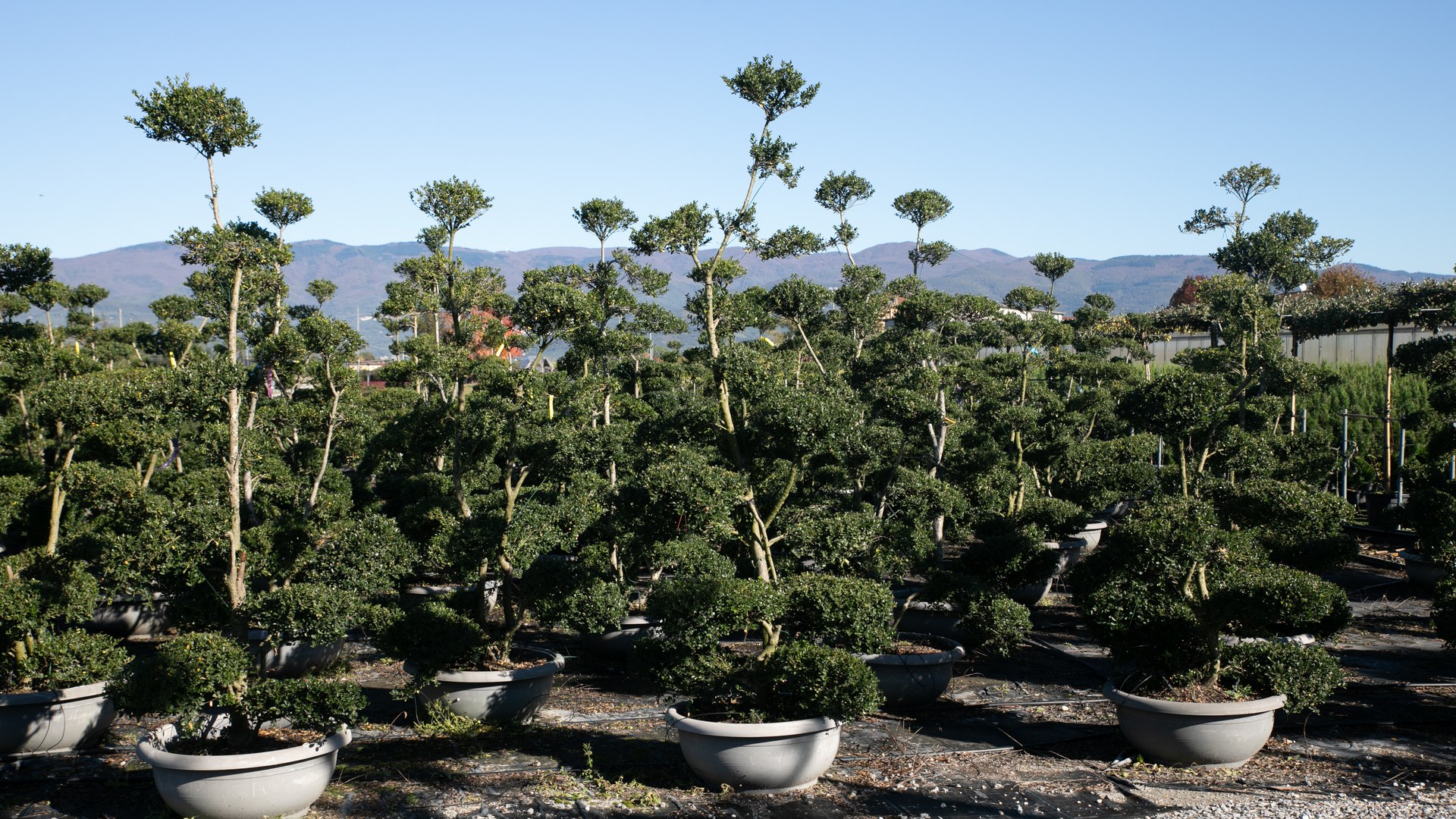
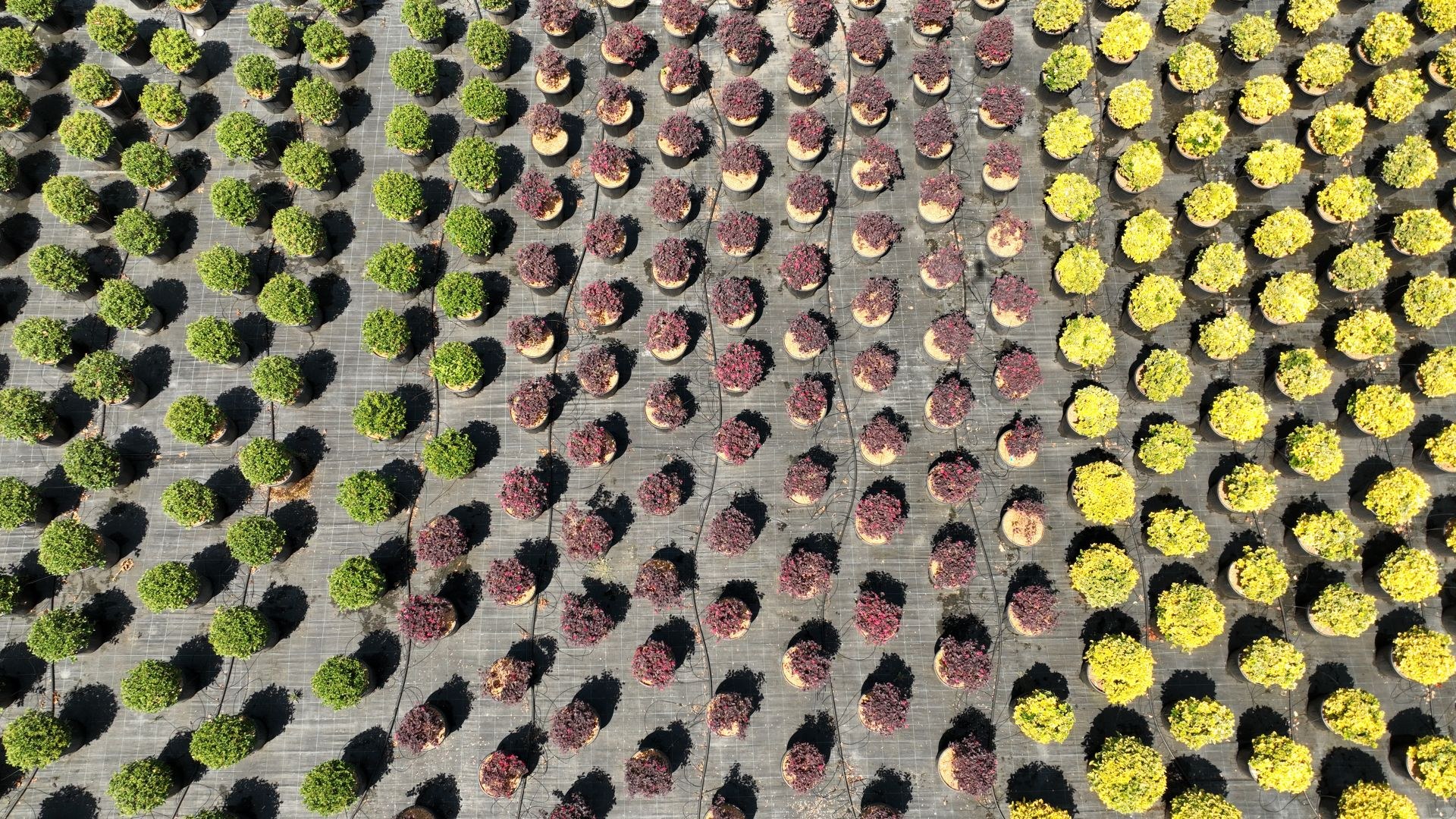
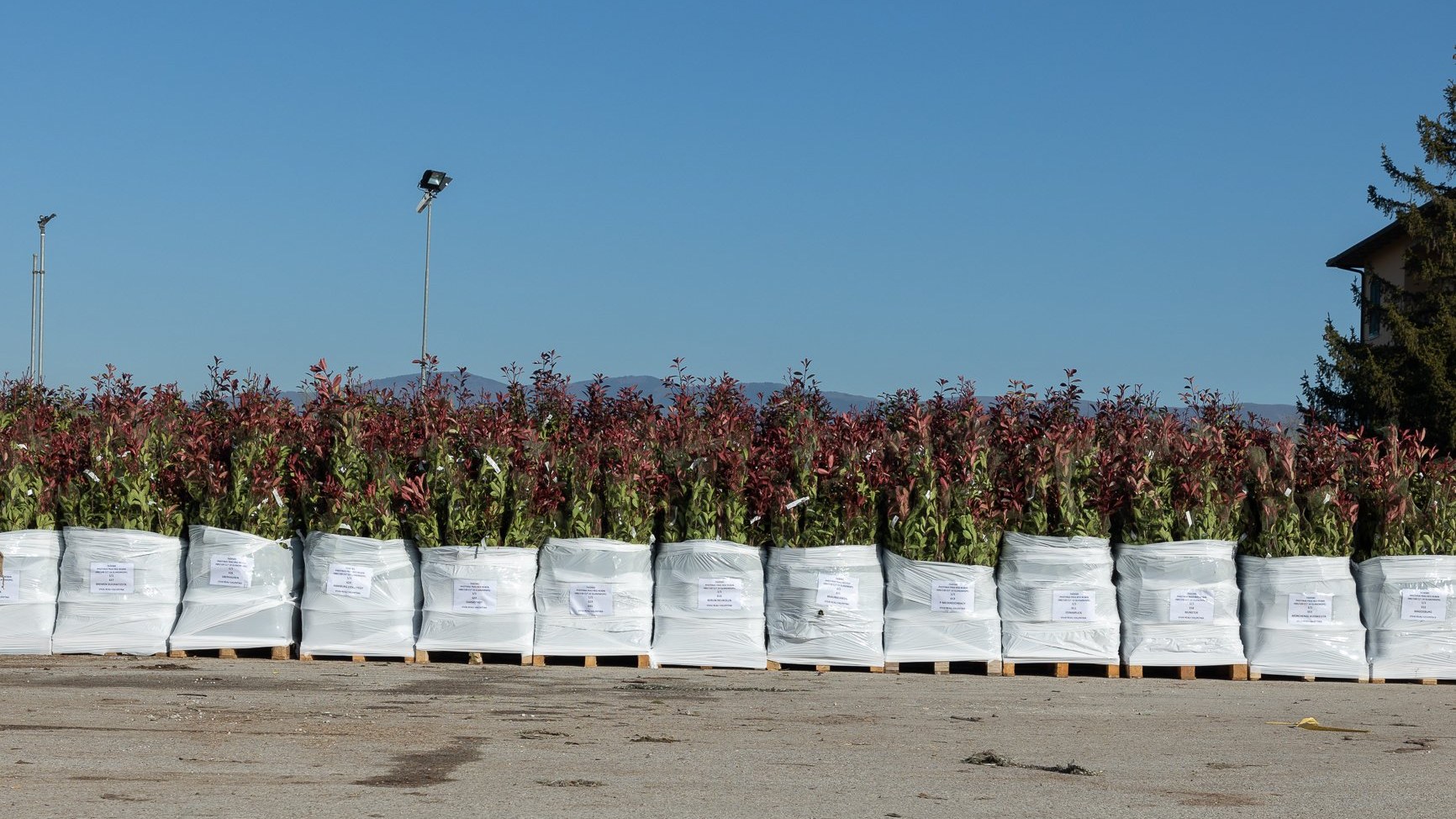
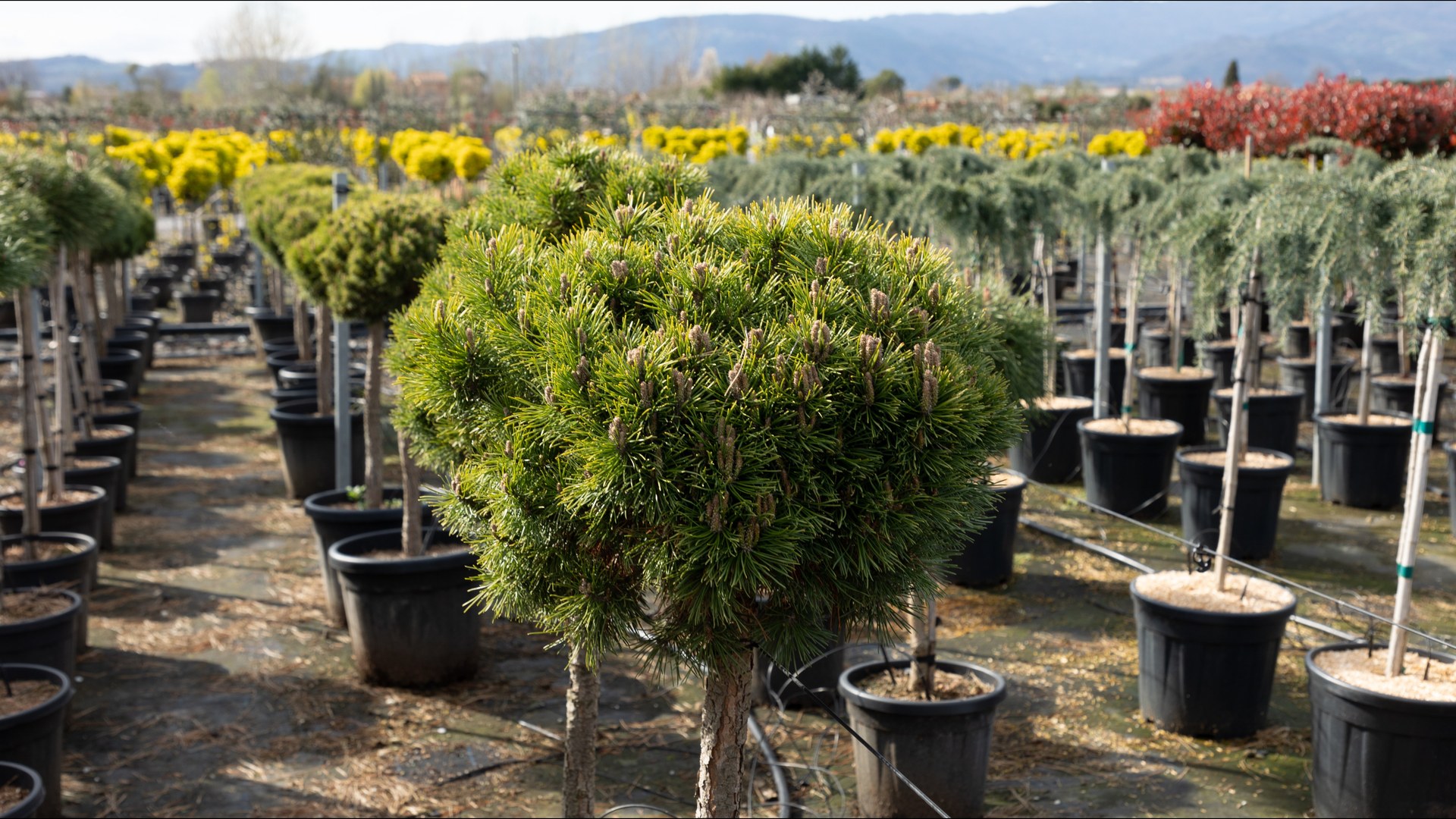
Vivai Reali grows 90-95% of its catalogue in-house on 30 hectares in Pistoia, with a Stock List updated in real time on infoplant. For selecting the species best suited to a specific depaving or renaturalization project — based on soil, exposure and required format — the sales team is available for a direct assessment.