When a phytosanitary crisis hits a species widely used in an urban setting, the impact is not limited to a few specimens: it is systemic. The best-known cases — box tree moth on Buxus sempervirens, plane tree canker stain, and, historically, Dutch elm disease — share the same mechanism: a large area of green space planted with a handful of repeated species becomes vulnerable in its entirety to the same pathogen or climate stress.
For those who design and specify urban green space — public bodies, landscaping firms, retail chains supplying construction sites — this is not an academic topic. It is an operational risk: mass plant replacement years after installation, extraordinary maintenance costs, and disruption to the original project.
The Principle: Resilience Through Diversity
The concept, well established in urban forestry planning internationally, is straightforward: a tree stock made up of many different species — by genus, age, genetic origin — spreads the risk. If one species is affected by a specific pathogen or a climate stress it is particularly sensitive to, the rest of the green stock is unaffected.
This principle applies at three levels:
- Species diversity: avoiding the systematic repetition of the same 4-5 species in specifications, even when they appear to be the “safe” or cheaper short-term choice
- Age and size diversity: alternating mature and young plants reduces the risk that a single event (a late frost, prolonged drought) affects the entire stock at the same critical development stage
- Genetic diversity: preferring, where possible, differentiated propagation material over large-scale identical clones
What Changes for Whoever Specifies the Project
In practice, introducing diversity into an urban green project requires a supplier genuinely able to offer valid alternatives — not just on paper, but available in the quantities and formats a site requires. A specification calling for 3-4 alternative species for the same function (e.g. street trees, dividing hedges, screening) needs a supplier who can actually guarantee all the options, not just the most common one.
This is precisely where the breadth of a grower’s catalogue becomes a technical factor, not just a commercial one: a wide assortment allows the designer to build a genuinely diversified planting plan, without having to give up on diversity due to supplier availability limits.
The Vivai Reali Catalogue
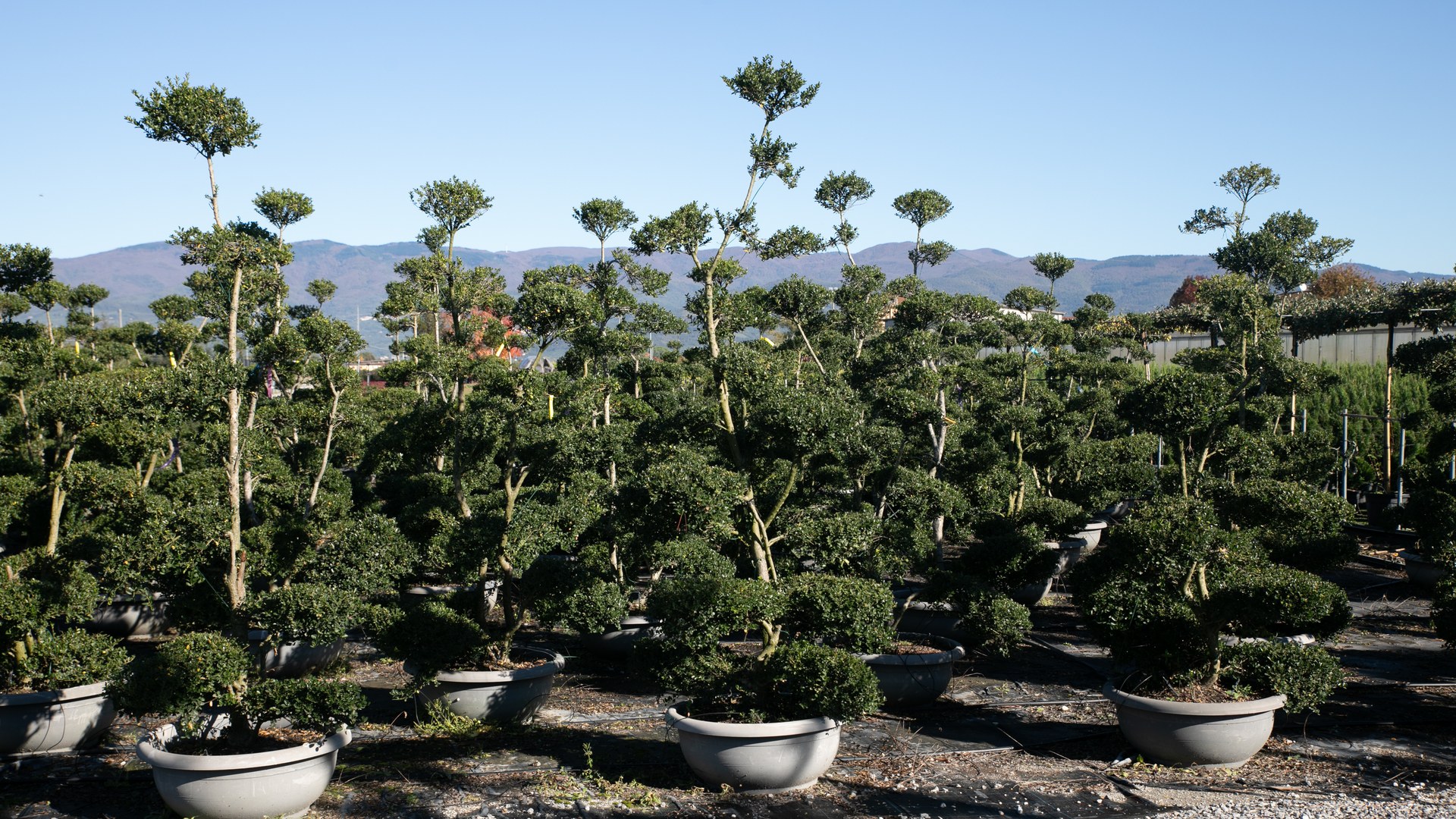
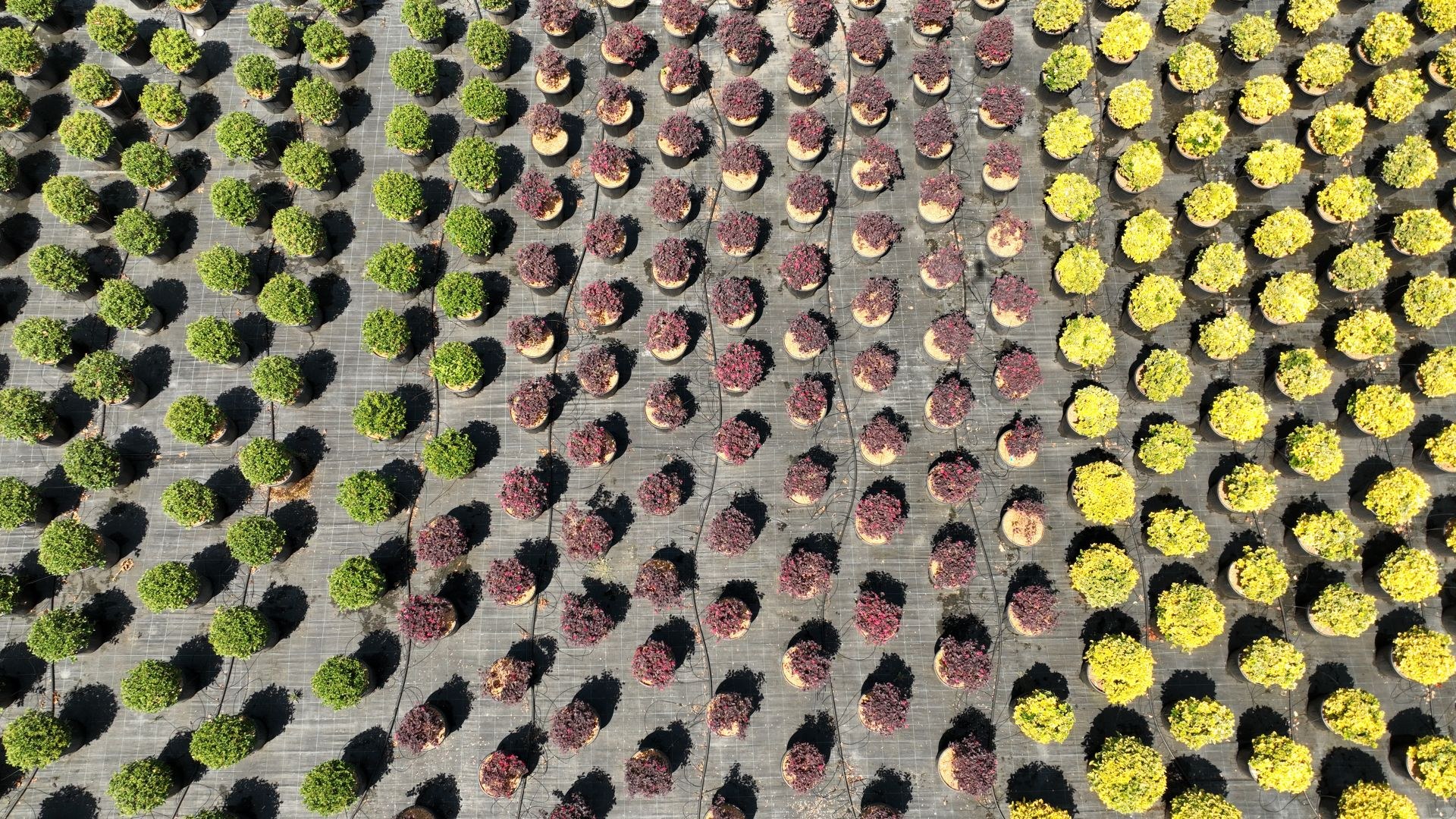
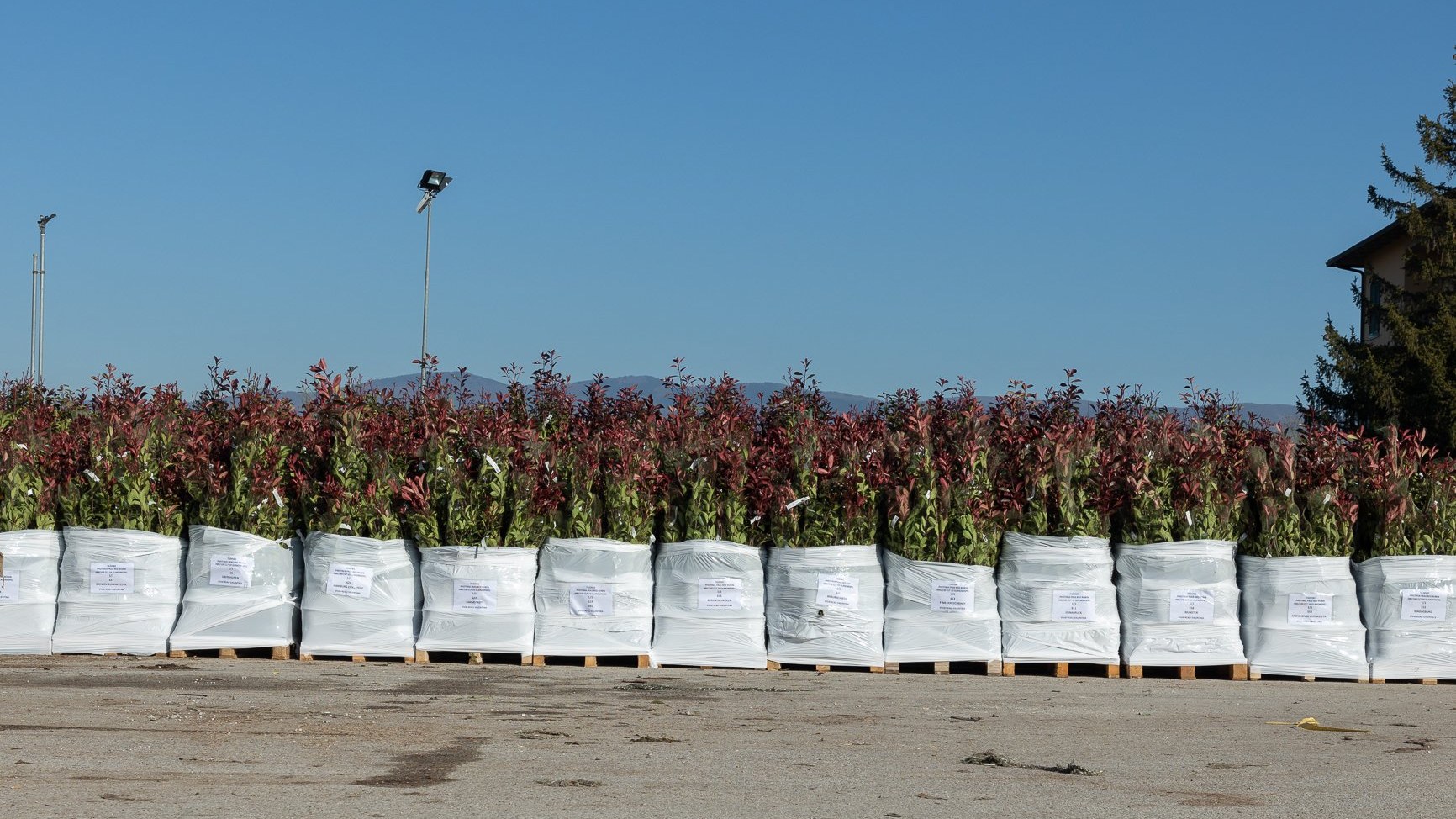
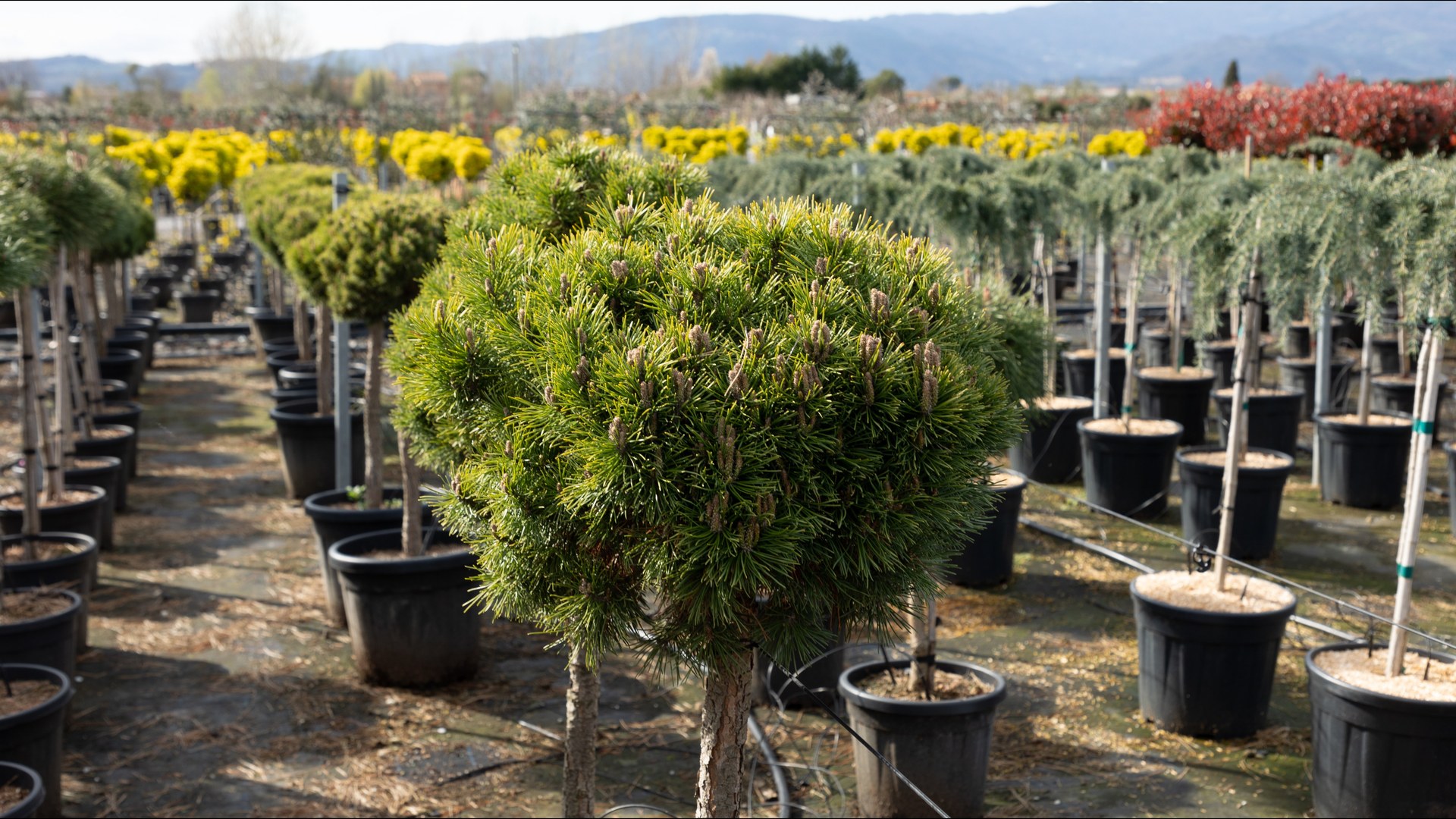
Vivai Reali grows 90-95% of its catalogue in-house — 298 genera of ornamental plants — on 30 hectares in Pistoia, Europe’s leading nursery district. For a project requiring a species diversification plan, real-time Stock List availability makes it possible to quickly verify which alternatives are actually available, avoiding a project built around species that later prove hard to source.